What is Venmo? A descriptive analysis of social features in the


How What Is Venmo? Are There Any Fees and Is It Safe? can Save You Time, Stress, and Money.

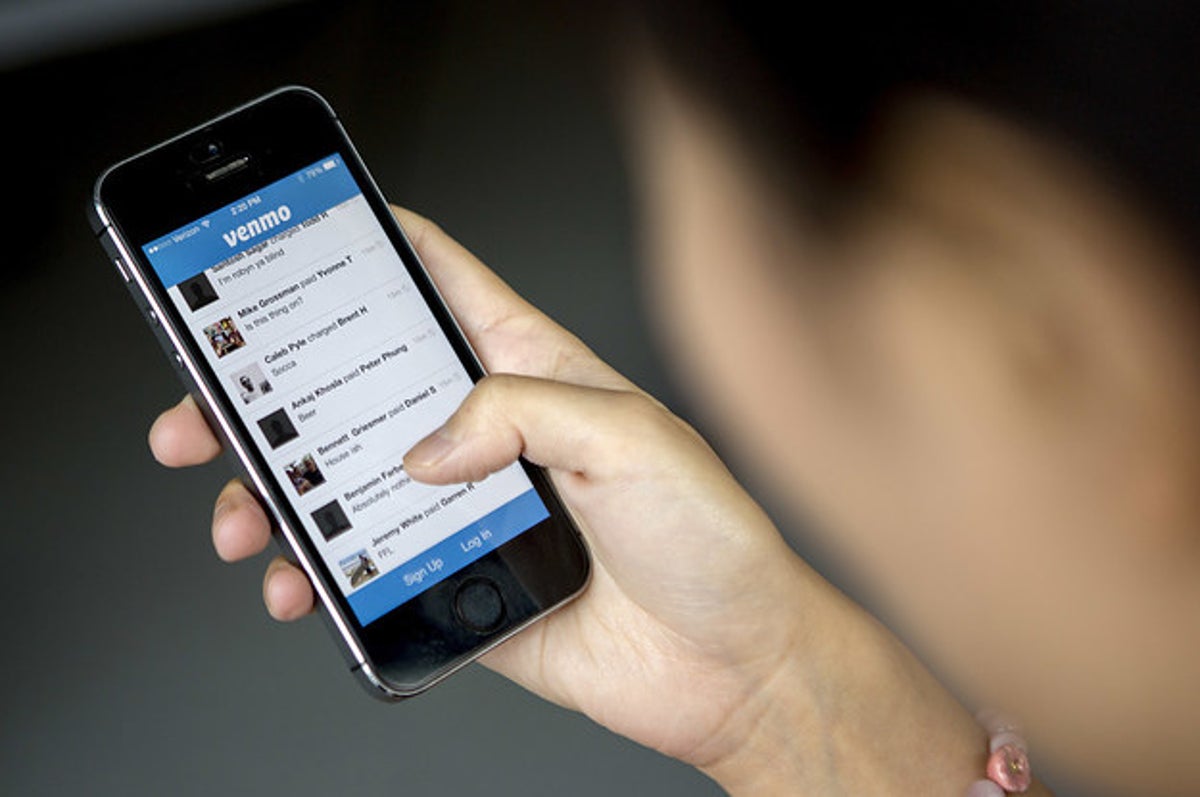
This imitates that of a social networks feed. There is a "world wide" Venmo feed, a "good friends just" feed, and after that personal feed. Venmo encourages social interaction on the application through remarks using jokes or emojis and/or likes. In 2016, around 30% of authorized Venmo deals consisted of at least one emoji.
For users not pals on Facebook, the application allowed the chance to search by username and contact number. Profiles are individualized with profile pictures, usernames and Venmo transaction history. The deals can be made personal, however the majority of users keep the default and do not change the privacy settings. Venmo does not have either purchaser or seller protection.
By default, all Venmo transactions are shared publicly. Anybody who opens the app to the general public feed, consisting of people who do not themselves use Venmo, can see these publicly shared posts. The personal privacy settings can be changed so that all posts are either shared just with a user's Venmo contacts, or perhaps kept private.
3 Simple Techniques For Venmo built crypto trading into its payments app - Engadget
If two users associated with a single deal have differing personal privacy settings, Venmo applies the more limiting level. Users can bypass their general choice for any individual transaction, consisting of after the transaction has actually been made. [] Security [modify] Venmo has actually claimed that its security is bank-grade, and that personal and monetary information are secured and protected on safe and secure servers to defend against any unapproved deals.

Should I Keep My Venmo Private? - Dashlane Blog

Bitcoin: PayPal's Venmo launches cryptocurrency buying and selling
Bitcoin: PayPal's Venmo launches cryptocurrency buying and selling
On the web, "https:" and a lock beside the web address is the user's signal that file encryption is on. However, reporters, security scientists, the California Department of Company Oversight (DBO) and the Federal Trade Commission have all disputed these claims. In Reference , the FTC settled with Venmo, after an examination exposed false representations about "bank grade" security and failures to comply with the Gramm-Leach-Bliley Safeguards Rule and Privacy Rule.
The FTC also complained that Venmo "deceived consumers about the extent to which they could control the personal privacy of their deals" and misrepresented the schedule of funds for withdrawal. Venmo states that consumers need not fret about their security or personal privacy, and motivates users to establish a PIN to increase security.